Tattoo History


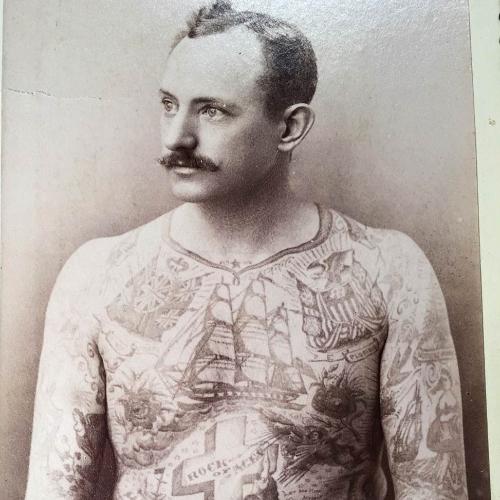
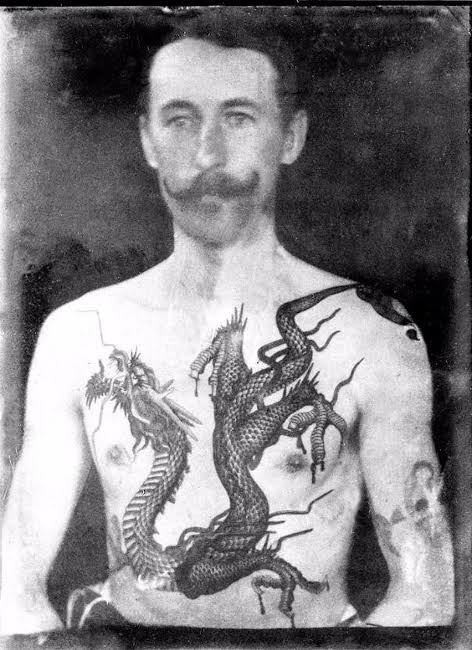
Humans have been marking their skin for thousands of years. Around the world, across cultures, tattoos have countless different significances. Ancient Siberian nomads, Indigenous Polynesians, Nubians, Native South Americans and Greeks all used tattoos — and for a variety of reasons: to protect from evil; declare love; signify status or religious beliefs; as adornments and even forms of punishment.
Tattooing is one of humanity’s oldest art forms, with roots stretching back over 5,000 years across every continent.
The oldest known tattooed human, Ötzi the Iceman from Europe, showed that early tattoos were used for both healing and spiritual protection.
In Africa, intricate body markings signified identity, status and rites of passage.
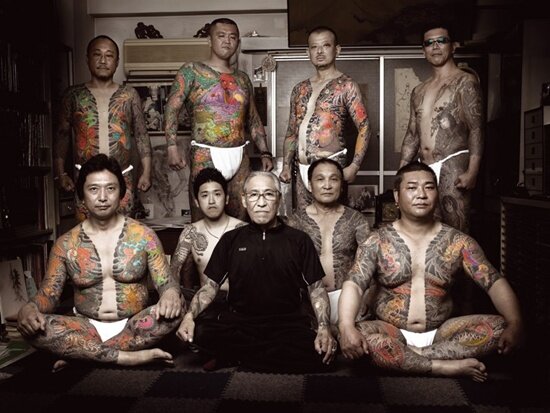
Across Asia, tattooing flourished in Japan, where masters like Horiyoshi III carry forward the legendary irezumi tradition.
In the Pacific, Polynesian cultures transformed tattooing into a sacred art of storytelling and genealogy — even the word “tattoo” comes from the Polynesian word tatau.
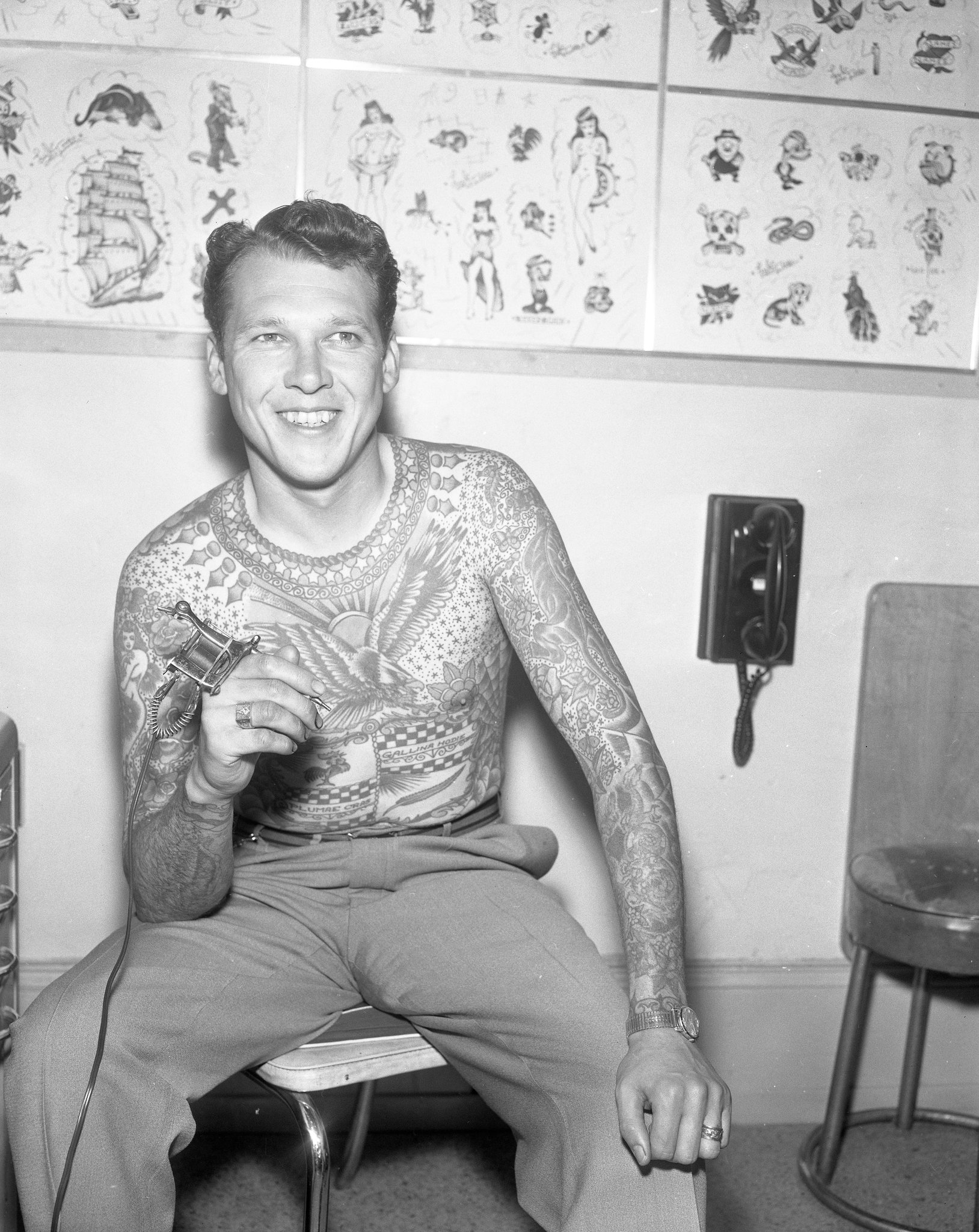
In the Americas, Indigenous peoples used tattoos to represent bravery, tribe and spirituality, while sailors later helped bring tattoo culture worldwide after voyages with Captain James Cook in the 1700s. By the 20th century, pioneers like Norman “Sailor Jerry” Collins helped shape modern Western tattoo culture, turning it into the global art movement we know today.
From ancient ritual to modern self-expression, tattooing has always been about identity, story and legacy — written on skin for life.